Does my roof need replacing?
Most roofs show their age before they fail. This guide walks you through what to look for from the driveway and from inside the house, what it usually means, and what only a visit can answer. If your roof has years left, we’ll tell you.
How long does a roof last?
Most architectural shingle roofs in the Bay Area last about 20 to 30 years. That’s a range, not a deadline. Two roofs installed the same year can age very differently.
Three things decide where yours lands:
- Sun — south- and west-facing slopes take the most heat and usually wear out first.
- Attic ventilation — a roof that can’t breathe cooks from underneath, which shortens the life of the shingles.
- How it was installed — old metal reused, the wrong underlayment, or a second layer over the first all take years off.
So the age of your roof tells you when to start paying attention. What the shingles look like tells you what to do.
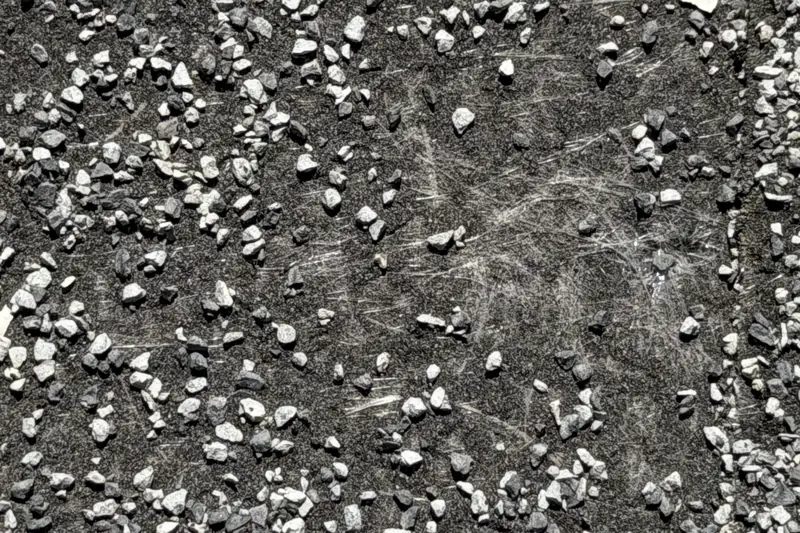
- Granules — the sand-like coating on top of each shingle. It gives the shingle its color and shields it from the sun.
- Fiberglass mat — the woven fiberglass sheet at the center of every shingle, sealed in asphalt. When you can see the fiberglass itself, the asphalt and granules have worn away and the shingle can’t protect the roof anymore.
- Curling and cupping — edges lifting up (curling) or the middle sinking into a shallow bowl (cupping). Both mean the shingle has dried out.
- Deck — the plywood or boards the roof is nailed to. You can’t see it from outside.
- Pipe boot — the rubber collar that seals around a plumbing pipe where it comes through the roof.
- Flashing — the metal that seals the seams, where the roof meets a wall, a chimney or a skylight.
What your shingles look like as they age
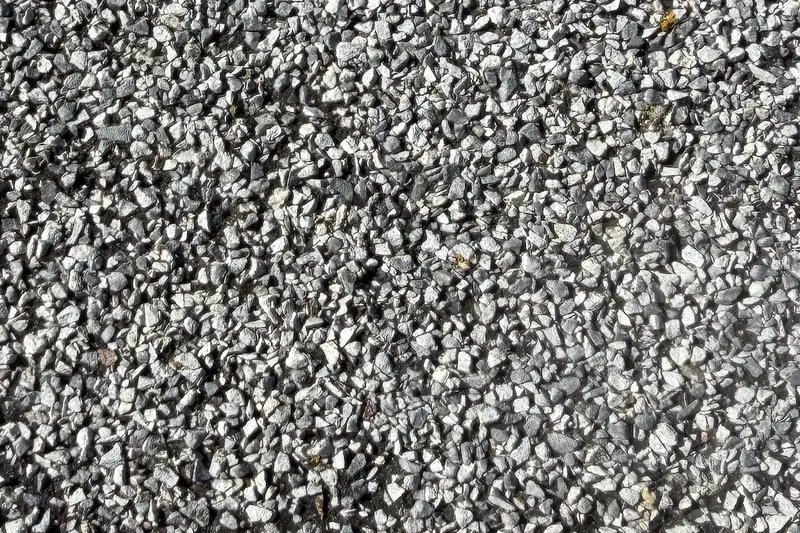
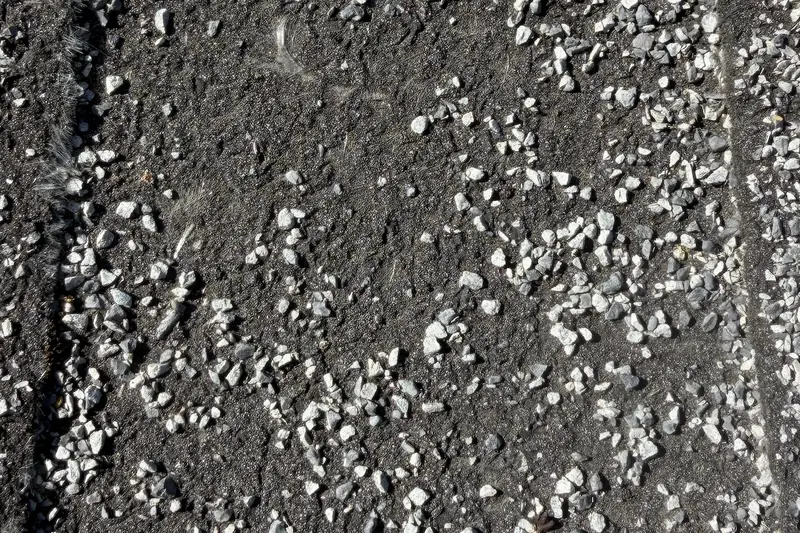
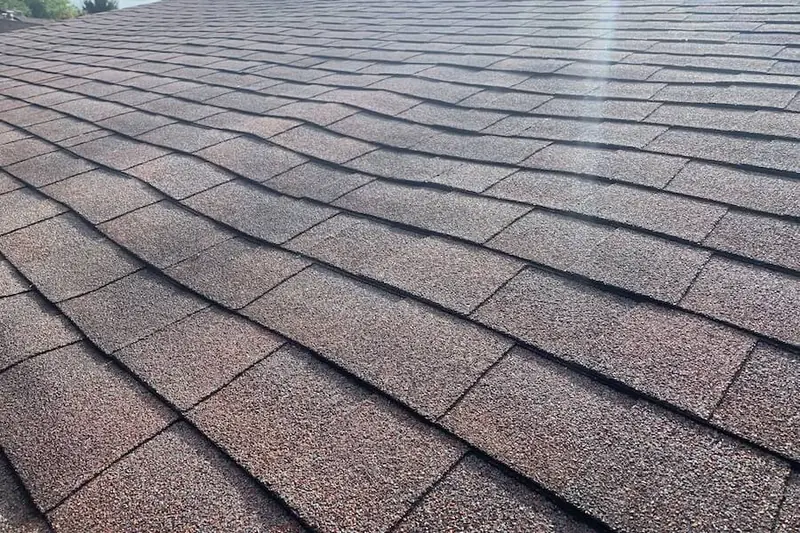
Stand across the street in good daylight and look at each slope of the roof. The photos below are from our own jobs.
What usually can be fixed
- A single pipe boot — rubber gaskets break down in the sun within 10 to 12 years, and one can be replaced on its own.
- One flashing detail — a wall, chimney or skylight that leaks while the shingles around it are sound.
- A few blown-off shingles — after wind, on a roof that is otherwise healthy.
What usually means the roof is due
- Wear across the whole roof — when every slope looks like the third photo, patches only move the leak.
- Leaks from different places — a new leak after each repair is the roof telling you it’s done.
- Soft spots underfoot — a sign the deck under the shingles is taking on water.
Signs you can check without a ladder
Some of the clearest signs aren’t on the roof at all. Grab a flashlight and look in the attic and on the top-floor ceilings.
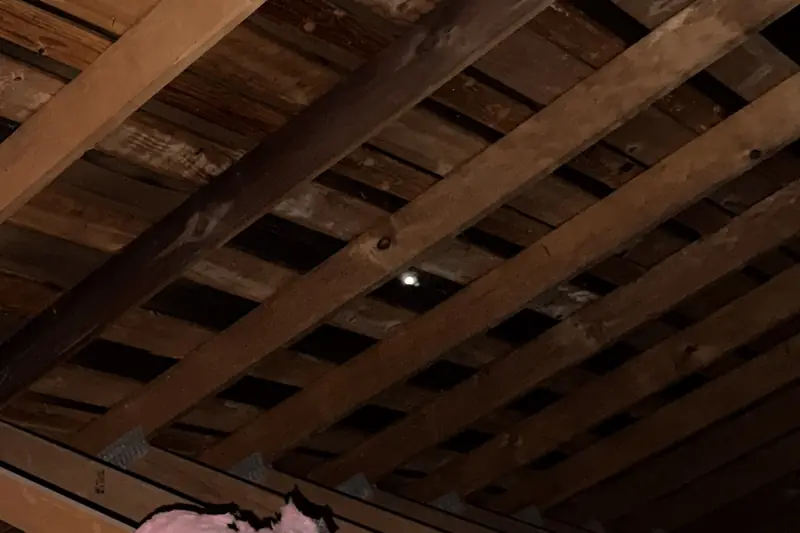
Daylight through the attic boards
If you can see light, water can get in. Check around pipes, vents and the chimney first.
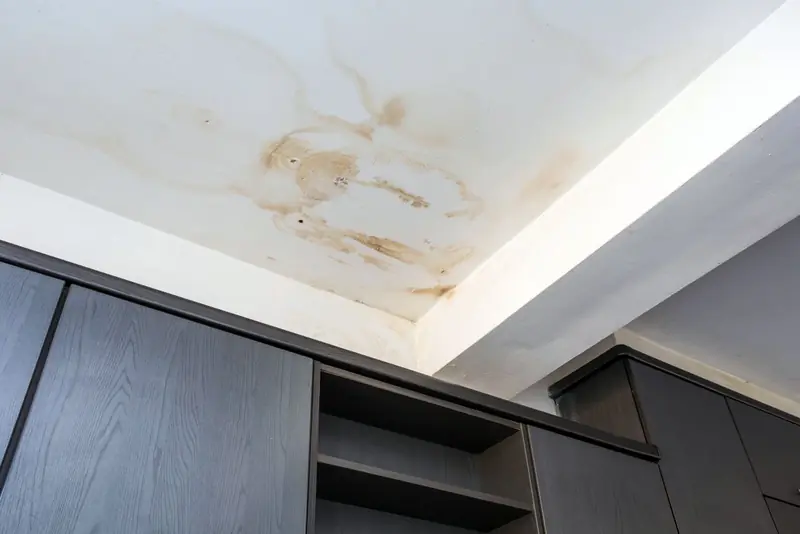
Water stains on the ceiling
A brown ring that grows after rain. Water travels before it drips, so the leak may be a few feet from the stain.
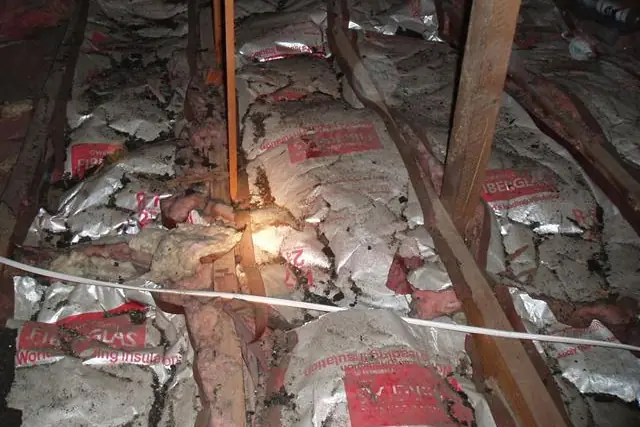
Damp or dark insulation
Insulation that’s matted, darkened or damp in spots usually means a slow leak has been there a while.
A sagging roofline
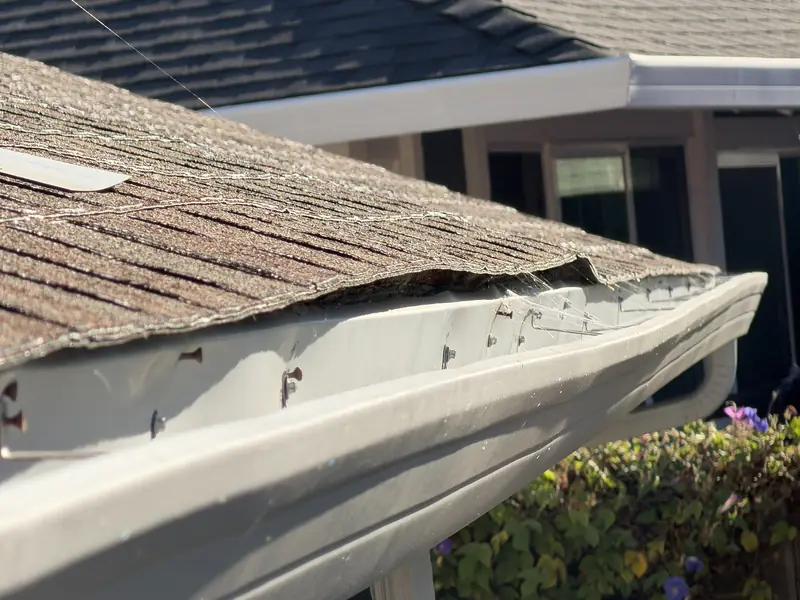
A dip along the ridge or between rafters can mean the deck underneath has softened. Have it looked at soon.
If your roof isn’t architectural shingle
A lot of Bay Area homes still have an older roof type. Here’s what we usually see, and what replacing it looks like.
3-tab shingles
The flat, single-layer shingle common before the 2000s. Most still in place are near the end of their life. They’re replaced with architectural shingles, which are thicker and last longer.
Wood shake
Many cities now limit new wood roofs because of fire risk. Shake roofs are usually replaced with a Class A fire-rated shingle, and designer lines can keep the shake look.
Tile
The tiles often outlast the underlayment beneath them, and cracked tiles are hard to match. Switching to shingles is lighter on the framing and usually costs less than re-tiling.
Tar and gravel
An older flat-roof system. It’s replaced with a white TPO membrane, which reflects heat and has heat-welded seams.
Two layers already
A roof installed over an older one. Both come off, so we can see and repair the deck before the new roof goes on.
The questions only a visit answers
Photos and the instant estimate get you close. They can’t tell you how many layers are already on the roof, what the deck looks like under them, whether the attic is overheating, or whether your shingles have 2 to 3 good years left.
That’s what the free visit is for. It takes about 30 to 45 minutes. We walk the roof, check the attic if we can reach it, and take photos of what we find. Before we leave, you get our recommendation, repair, replace or wait, and the reason, with the photos to back it up.
Not ready for a visit? Text us photos of the roof and attic at (925) 381-9162, and we’ll take a first look.
Questions homeowners ask us
How long does a roof last?
Most architectural shingle roofs in the Bay Area last about 20 to 30 years. Sun, attic ventilation and how the roof was installed move that range up or down. Age tells you when to start looking; condition tells you what to do.
Can I just replace part of the roof?
Sometimes. A separate section, like a flat roof over a garage or a porch, can often be done on its own. On the main roof, new shingles next to old ones rarely match, and the old section keeps aging, so we’ll tell you honestly whether a partial job makes sense.
Can I put a new roof over the old one?
In some cases code allows a second layer, but only over flat 3-tab shingles, not architectural ones. We can do it when code allows, but we usually recommend a full tear-off. A second layer holds more heat against the new shingles and lets less air reach the deck, so the new roof tends to wear out sooner and the risk of dry rot goes up. It saves a little up front and costs more over the life of the roof.
Is moss bad for my roof?
Mostly it’s cosmetic. Moss and dark algae streaks can be cleaned off, and on their own they aren’t a reason to replace a roof. If shingles under the moss are lifting or cracked, that’s worth a look.
Does insurance cover an old roof?
Homeowner’s insurance generally covers sudden damage, like a storm or a fallen tree, not wear from age. If your insurer asks about your roof’s condition, we can write a formal roof report.
Will a new roof lower my energy bill?
It can help. Cool Roof shingles reflect more sun, and balanced attic ventilation lets heat escape, so the attic runs cooler in summer. How much that changes your bill depends on the house, so we won’t promise a number.
Can I wait one more winter?
It depends on the roof. Have us look, and we’ll tell you honestly. If it can wait, we’ll say so and tell you what to keep an eye on.
Do I need a new roof, or can it be repaired?
Often it can be repaired. Plenty of leaks have nothing to do with the roof’s age: debris packed behind a skylight, chimney or valley, a cracked pipe boot, or a satellite dish bolted through the shingles. Those can be fixed and the roof can keep going. If you don’t need a new roof, we’ll be the first to tell you. A free visit tells you how many years your roof has left.
How does the estimate work? Do you need to visit first?
You can get a number before anyone visits. The instant estimate prices your roof from your address in minutes, using satellite measurements of its size and slope. It can’t see the roof’s condition, so the free visit, about 30 to 45 minutes, tells you how many years your roof has left. A written roof report for a sale or an insurer is $350.
“[Affordable Roofing Systems] actually told me my current roof was good and [they] wouldn't change it. That type of honesty is rare nowadays”
Words in brackets replace a name or fix a typo.
 Read on Yelp